Gateway
Garden Club

Members Only Specials

Enter your email address to sign up
for Gateway Gardens Club!

Gift Cards
Coupons
Garden Center Hours

Mon.-Fri.

9-6

Sat.-Sun.

9-5

Directions

Our Plants

Select Plant Type:
Botanical Name     Common Name
A B C D E F G H I J K L M N O P Q R S T U V W Y-Z ALL
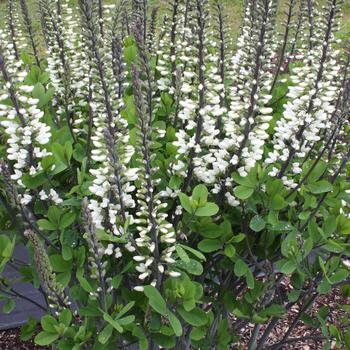
Baptisia alba var. alba
Common Name: Wild White Indigo
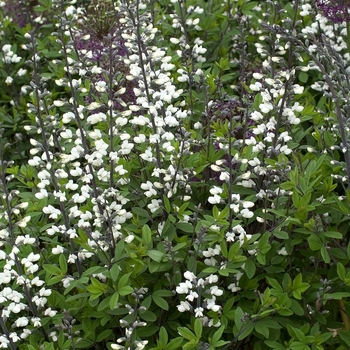
This is not the fastest plant to get to size, but it is unquestionably one of the loveliest. The strong, almost shrubby plants carry 12"-18" racemes of 1" pure white pea-like flowers. Charcoal gray stems add appealing contrast. May to Mid-June flowering, easy to grow and very long-lived once established.

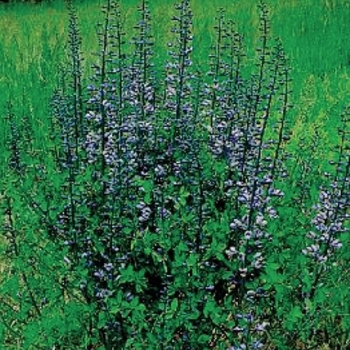
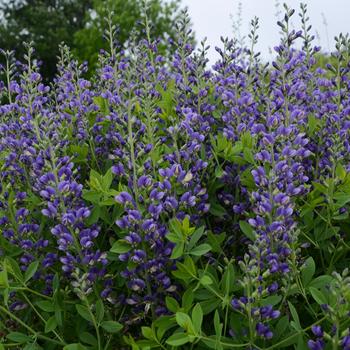
Baptisia australis
Common Name: False Blue Indigo
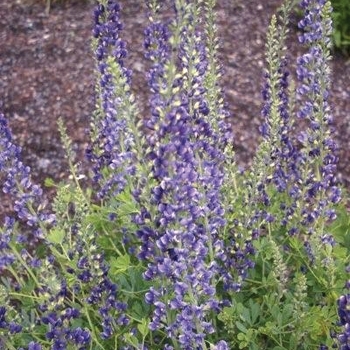
Blue spikes of pea-shaped flowers resemble the tall racemes of lupines in May and early June. A slow to mature, but very rewarding native garden perennial. Found in open woods, river banks and sandy floodplains, New York to Nebraska to Georgia.

Baptisia minor
Common Name: Dwarf Wild Indigo
Spikes of bright blue flowers on compact shrubby grey green plants in early Summer. A tough and drought-resistant native plant ideal for any sunny site. Slow in the first year, but returns with its grace and beauty for many years to come!

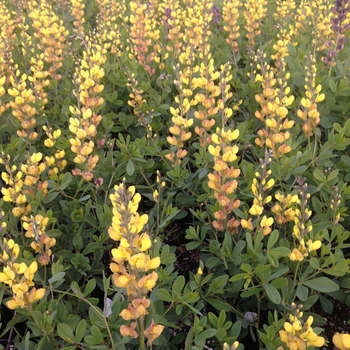
Baptisia sphaerocarpa
Common Name: Yellow Wild Indigo
A very sturdy, drought-resistant garden plant with striking spikes of pea flowers that range from butter yellow to gleaming gold.

Baptisia sphaerocarpa 'Screaming Yellow'
Common Name: Yellow Wild Indigo
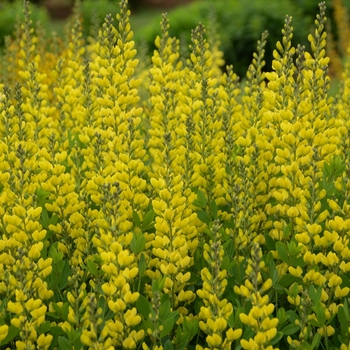
A riot of yellow in late spring-early summer! Larry Loman of Ridgecrest Nursery in Wynne, Arkansas selected this brilliant yellow-gold Baptisia for the bodacious and profuse flower display, deep green foliage, and compact rounded habit.

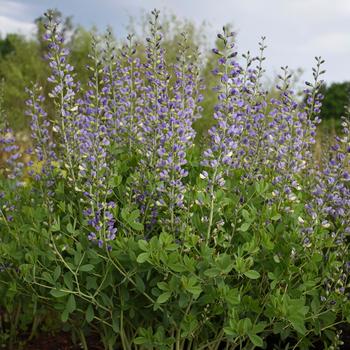
Baptisia Starlite Prairieblues™
Common Name: Wild Indigo
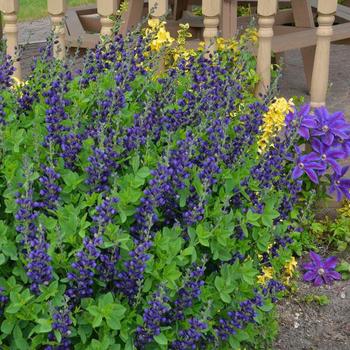
A second introduction from Chicagoland Grows, Starlite Prairieblues shines with soft blue pea flowers that glow white at the base for a sparkling overall appearance. A good strong grower with long spikes of flowers in early summer.

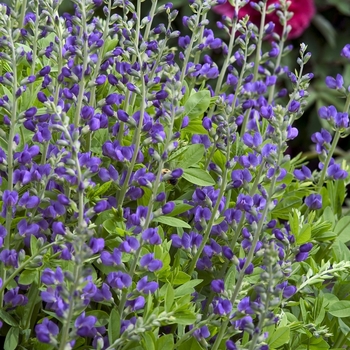
Baptisia Twilite Prairieblues™
Common Name: False Indigo
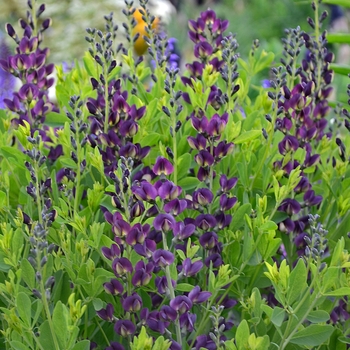
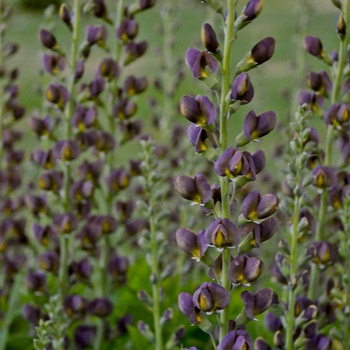
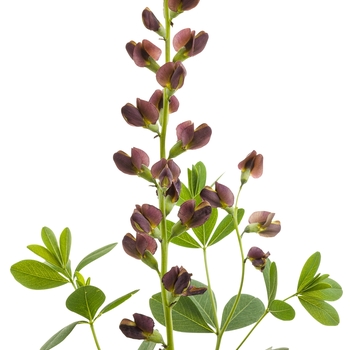
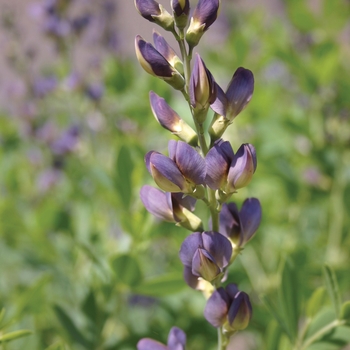
Twilite Prairieblues™ is the first introduction from the Baptisia breeding program conducted by Dr. Jim Ault at the Chicago Botanic Garden in Glencoe, Illinois. The australis x sphaerocarpa cross has brought us a very strong and production friendly plant with excellent hybrid vigor. By the third year these plants produce almost 100 flower spikes of unique deep violet-purple, nearly burgundy flowers highlighted by a lemon-yellow keel. Held above the handsome foliage, the inflorescences can be up to 32 inches long! Tags will ship unless otherwise requested.

Baptisia x 'Carolina Moonlight'
Common Name: Wild Indigo
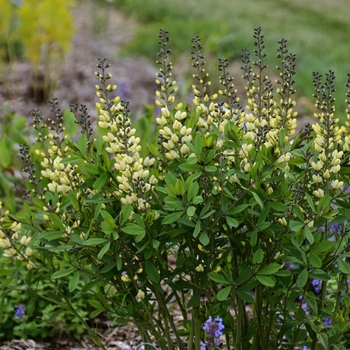
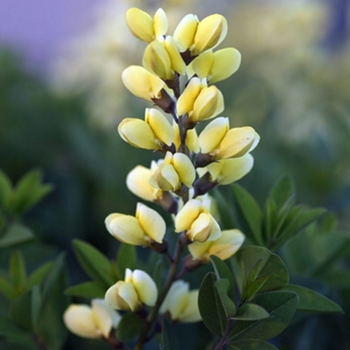
Elegant spikes of creamy yellow blooma grace tidy blue green foliage in early summer. Long-blooming and tough, a dazzling addition to the native plant palette. A hybrid of B. sphaerocarpa and B. alba, found by Rob Gardener of NC Botanical Gardens.

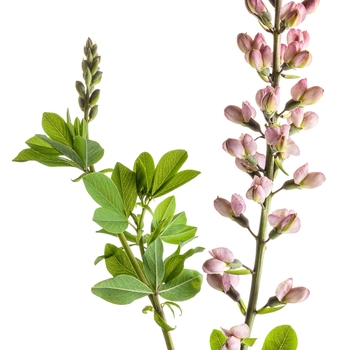
Baptisia x 'Purple Smoke'
Common Name: Wild Indigo
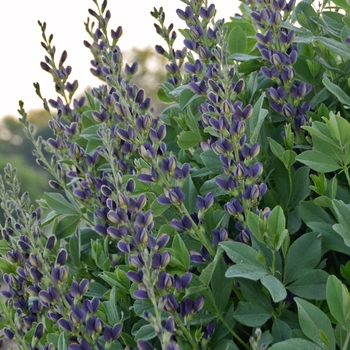
Discovered by Rob Gardener of the North Carolina Botanical Gardens and introduced by Niche Gardens of Chapel Hill, NC. Apparently a chance hybrid of B. australis and B. alba, this has the charcoal-gray stems of alba and the blue color from australe, although it is more purple than B. australe. It is a good and vigorous grower and destined to be very much treasured.

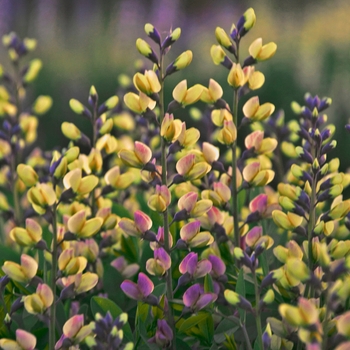
Baptisia x 'Solar Flare'
Common Name: False Indigo
This plant boasts a striking upright, vase-shaped habit at its base with a dense broad head above. Extremely vigorous, a mature plant will produce over 100 stems. The exposed lower stems and foliage remain an attractive blue-green all summer. The plant covers itself in spikes of pea-flowers 12" to 18" in length, which are held well above the foliage. Flowers initially open a pleasing lemon-yellow color, taking on a unique orange to violet blush with age. This is the only Baptisia selection to date with such colored flowers. Flowers begin to open in late spring to early summer, and the plant remains in bloom two to three weeks. The emerging stems in spring exhibit an attractive purple color as long as night temperatures are cool. Long-lived and drought tolerant.

Bergenia x 'Bressingham White'
Common Name: Pigsqueak

‘Bressingham White’ forms a low, basal clump of bold green leaves, which develop a bronzy tinge during winter. Stout clusters of bell-shaped flowers rise above the shiny foliage in mid spring, appearing white at first and aging to a very soft pink. The evergreen leaves are a valuable, long lasting addition to cut flower bouquets. Most effective when mass planted or used as an edging along a walkway. Tolerates a wide range of soil conditions.

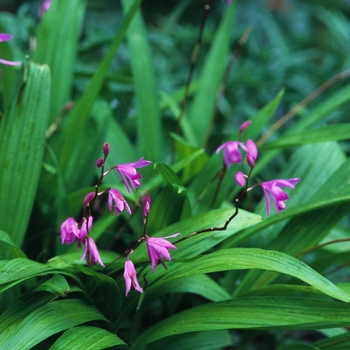
Bletilla Striata
Common Name: Chinese Ground Orchid

Bletilla Striata 'Alba'
Common Name: Variegated White Chinese Ground Orchid

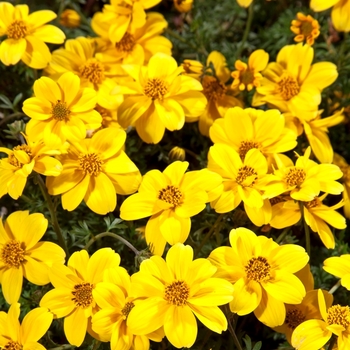
Boltonia asteroides 'Pink Beauty'
Common Name:
Hundreds of soft pink daisies top fine-textured silver blue foliage in late summer. Butterflies love this plant! This undemanding native plant is long lived and easy to grow.
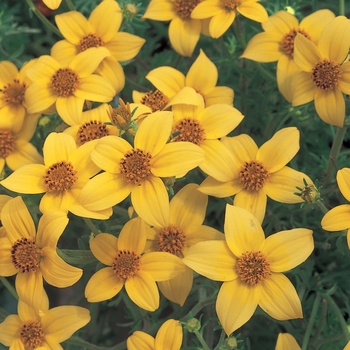
Boltonia asteroides 'Snowbank'
Common Name: Thousand Flowered Aster
Zillions of lacy white daisies top long stems of fine-textured silver blue foliage in late summer and early fall. An undemanding native plant that is surprisingly tolerant of drought and flood.

Brunnera macrophylla 'Dawson's White'
Common Name: Siberian Bugloss

‘Dawson’s White’ is a Siberian bugloss cultivar that features small, blue, forget-me-not-like flowers in airy, branched clusters rising to 18" tall in spring. After flowering, large, basal, heart-shaped, medium-green leaves (3-5" wide) are produced with bold, irregular, creamy-white variegation on the margins. Leaves usually increase in size until mid-summer. A clump-forming, rhizomatous perennial, this plant makes a great ground cover in shady sites.


Brunnera macrophylla 'Jack Frost'
Common Name: Siberian Bugloss

A rhizomatous, clump-forming perennial primarily grown for its attractive basal foliage, ‘Jack Frost’ boasts distinctive silvery white leaves with green primary and secondary veins and thin green margins. The basal foliage forms a hosta-like mound of heart-shaped leaves (3-5” wide) which remain attractive throughout the growing season. Tiny, forget-me-not-like flowers (light blue with yellow centers) are produced in profusion in spring on airy, branched stems rising to 18” tall and standing above the foliage.


Brunnera macrophylla 'Looking Glass'
Common Name: Siberian Bugloss

‘Looking Glass’ is noted for its silvery, heart-shaped basal leaves (3-5” wide). As a sport of ‘Jack Frost’, ‘Looking Glass’ is distinguished from the former by having much more silvery leaves with less green venation. Although leaves emerge in spring with some green veining, the distinctiveness of the veins diminishes as the leaves mature. The basal leaves form a hosta-like foliage mound that remains attractive throughout the growing season. Tiny, forget-me-not-like flowers (light blue with yellow centers) are produced in spring on airy, branched stems to 15” tall.


Brunnera macrophylla 'Mr. Morse'
Common Name: Siberian Bugloss

‘Mr. Morse’ is noted for its silvery, heart-shaped basal leaves (3-5” wide), distinctive green veining, and white flowers. It is basically a white-flowered version of Brunnera macrophylla ‘Jack Frost’ and is great when planted together. Hosta-like foliage mounds remain attractive throughout the growing season. Tiny, pearl-white flowers are produced in abundance in spring on airy, branched stems to 15” tall.


Brunnera macrophylla 'Silver Wings'
Common Name: Siberian Bugloss

‘Silver Wings’ is an exquisite new Brunnera cultivar with large, heart-shaped, medium-green leaves that are intricately marbled with a silver filigree pattern (like frosted glass). In spring, the wonderful leaves are set off with bright blue forget-me-not-like flowers. This cultivar is much less prone to sun scorch than older selections, but some afternoon shade is advised (especially in summer).


Brunnera macrophylla 'Spring Yellow'
Common Name: Siberian Bugloss

‘Spring Yellow’ is a vibrant, yellow-leaved Brunnera cultivar with tiny, forget-me-not-like, blue flowers in airy, branched clusters that appear in spring. Its chartreuse and cream-mottled, heart-shaped basal leaves (3-5” wide) emerge in spring to form a hosta-like foliage mound to 15" tall. Leaves acquire some green tones as the growing season progresses, but their yellowish coloration is greatly diminished when plants are grown in full shade.